
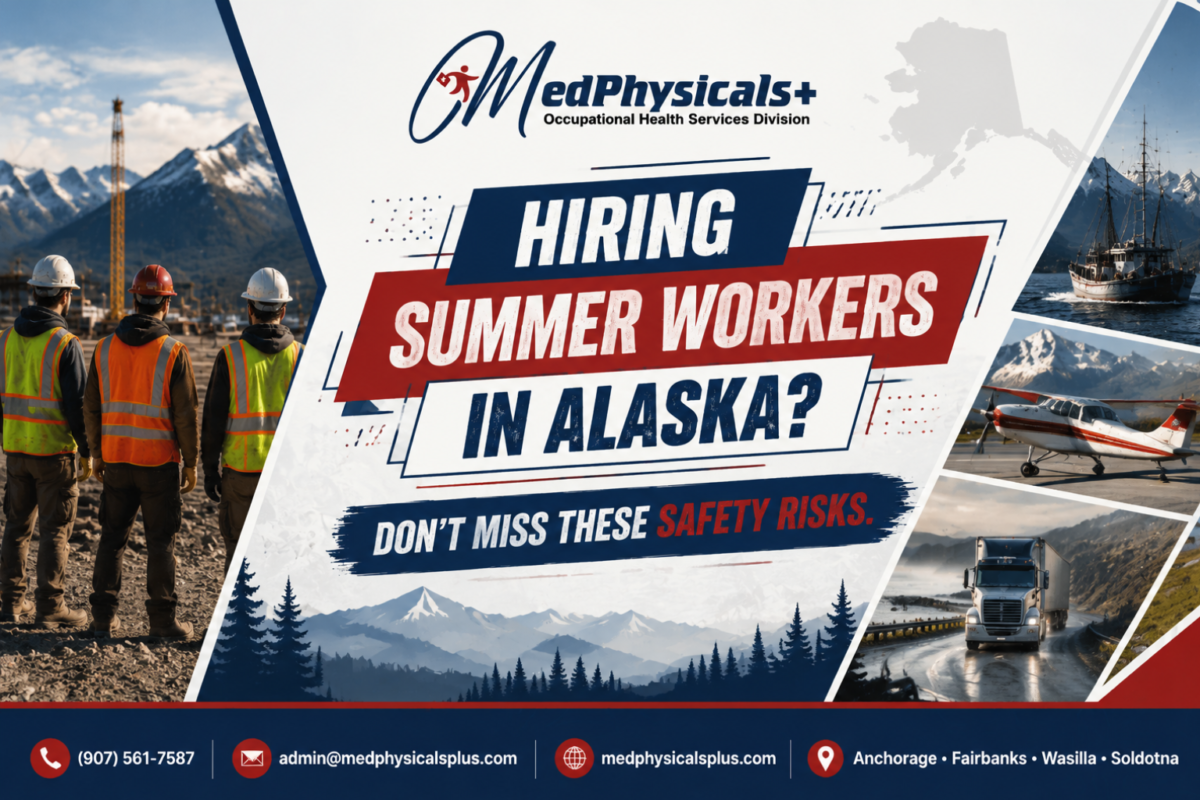
Summer hiring is essential for many Alaska employers. Construction, tourism, fishing, transportation, and other seasonal industries often expand their workforce to meet increased demand. Many of these new hires are young workers or employees with limited experience in the job they are being asked to perform.
While seasonal hiring helps businesses stay staffed, it can also create safety and compliance risks if new employees are not properly trained or supervised. OSHA states that employers are responsible for providing a safe workplace, and young workers may need extra guidance because they are still learning how to recognize hazards and follow safe work practices.
Why New Workers Face More Risk
A new employee may not recognize workplace hazards the same way an experienced worker does. They may hesitate to ask questions, feel pressure to work quickly, or assume they understand a task when they do not.
These situations can increase the chance of injuries, especially during busy summer months when supervisors may have less time for one-on-one guidance. NIOSH also notes that young workers may have little or no prior work experience and have high rates of job-related injuries.
Training Should Be More Than a First-Day Checklist
Safety training should prepare employees for the actual work they will perform, not just cover general workplace rules. OSHA recommends training young workers in language and vocabulary they understand.
Effective onboarding should cover job-specific safety procedures, hazard recognition, proper use of personal protective equipment, emergency procedures, and how to report unsafe conditions. When expectations are clear from the beginning, new workers are more likely to build safe habits before problems occur.
Employers Should Understand Youth Employment Rules
Hiring younger workers also means understanding federal child labor requirements. Not every task is legal for every young worker.
The U.S. Department of Labor limits certain occupations, equipment, and job duties for employees under 18. Some hazardous jobs are not allowed for minors, even if the worker is willing to do the task. Employers should review these requirements before assigning work to help protect employees and maintain compliance.
Supervision Still Matters After Orientation
Orientation is only the beginning. New workers often need additional supervision during their first days and weeks on the job.
Experienced supervisors can reinforce safe work practices, answer questions, and correct unsafe habits before they lead to an incident. Creating an environment where employees feel comfortable asking questions also plays an important role in preventing workplace injuries.
A Strong Hiring Process Supports a Safer Workplace
Summer hiring often focuses on filling open positions quickly, but workplace safety should remain part of every hiring decision.
A stronger process includes clear onboarding, appropriate job assignments, safety training, and ongoing supervision. These steps help reduce avoidable risks while supporting a safer and more productive workforce throughout Alaska’s busy season.
At MedPhysicals Plus, we help employers prepare new hires for work through occupational health services including DOT physicals, drug and alcohol testing, respirator medical evaluations, respirator fit testing, physical abilities testing, and other employer health services. Supporting workforce readiness before employees begin work helps employers improve safety.
We work with employers across Alaska, with locations in Anchorage, Fairbanks, Wasilla, or Soldotna. To learn more about employer services, contact MedPhysicals Plus at admin@medphysicalsplus.com, call (907) 561-7587, or visit medphysicalsplus.com.