
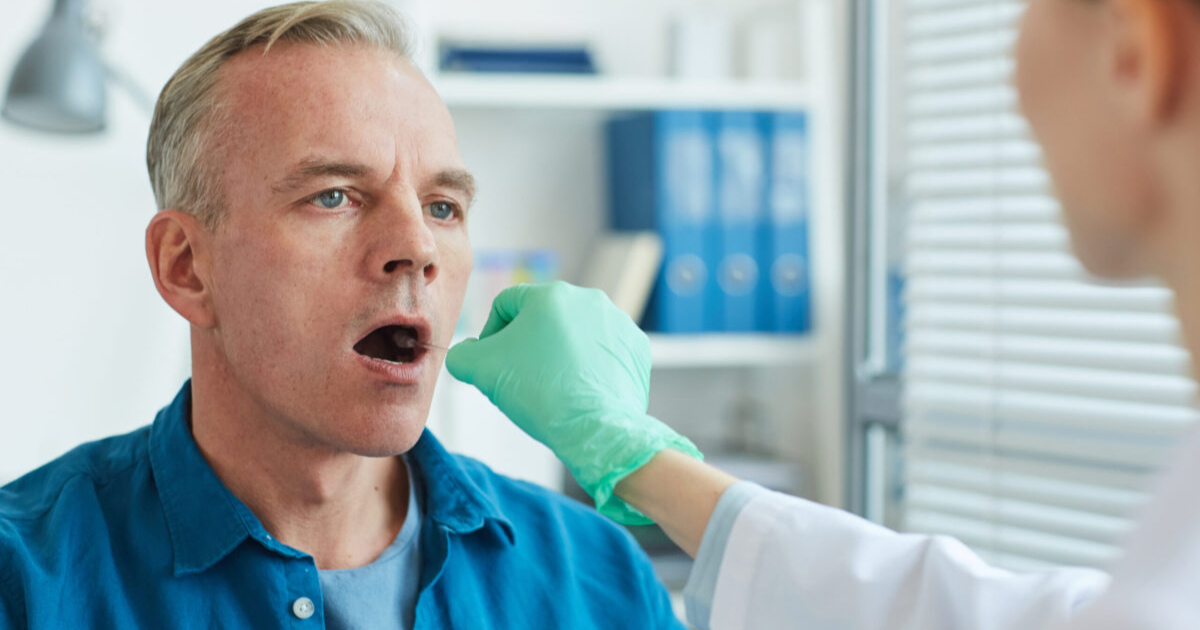
Earlier this year, the U.S. Department of Health and Human Services updated its federal drug testing guidelines. Six months later, employers are starting to see how these changes affect oral fluid, or saliva, drug testing in real workplace situations.
This article breaks down what changed and why it matters in simple terms.
What Changed With the New HHS Panels?
The most important update was the addition of fentanyl to the federal drug testing panel. Fentanyl is a powerful synthetic opioid that was not previously included in standard testing.
HHS also made small technical updates, including adjusting certain drug cutoff levels. One example is a higher morphine threshold in urine testing, which helps reduce positives caused by trace or incidental exposure.
How Oral Fluid Testing Is Being Affected
Oral fluid testing detects very recent drug use and is collected under direct observation, which helps reduce tampering. Once employers start doing saliva testing, they will be seeing improved detection of substances like fentanyl that may have been missed before, faster and simpler collections compared to urine testing.
At the same time, oral fluid testing has a shorter detection window than urine testing, which makes it well suited for post accident, reasonable suspicion, or onsite testing where recent drug use is the main concern.
However, because of this shorter window, it may not detect drug use that occurred several days earlier, which is when urine testing can be more effective.
Impact on Case Management
The updated HHS guidelines have streamlined case management by making result verification clearer and more consistent. Adding fentanyl to the testing panel requires Medical Review Officers to verify prescriptions when applicable, while simplified opioid reporting rules help employers receive final results more quickly.
How Employers Are Updating Drug Testing Policies
Employers are updating drug testing policies to include fentanyl and clarify when oral fluid testing is used versus urine testing. Many policies now specify oral fluid testing for post accident or reasonable suspicion situations, while reserving urine testing for scenarios that require a longer detection window.
Key Takeaways for Employers
Employers should stay current with their drug testing panel to ensure it includes high risk substances such as fentanyl and aligns with current federal guidance. Use oral fluid testing where it makes sense, especially in situations where identifying recent drug use is important.
Update your written policies and training to clearly define when urine or oral fluid testing is used. Be also prepared for case management steps when new substances appear on the panel, including prescription verification by a Medical Review Officer. Employers in regulated industries, such as DOT, should also continue monitoring regulatory updates as requirements continue to evolve.
How MedPhysicals Plus Helps Employers Navigate These Changes
As federal drug testing guidelines evolve, MedPhysicals Plus helps employers across Alaska understand what the changes mean in real terms and how to apply them correctly. From updated testing panels to the growing role of oral fluid testing, our team stays current on federal guidance so employers can make informed, compliant decisions.
We support both DOT and non-DOT testing programs and help employers choose the right testing method for each situation, whether that means urine testing, oral fluid testing, or a combination of both. With clinics in Anchorage, Fairbanks, Wasilla, and Soldotna, we make compliant drug testing accessible to everyone.
If you have questions about oral fluid testing, updated drug panels, or how these changes affect your workplace policies, MedPhysicals Plus is here to help you stay compliant, prepared, and confident.
You may reach us at (907) 561-7587 or admin@medphysicalsplus.com.